
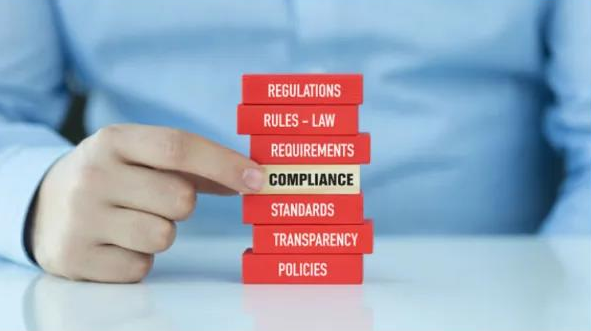
This year has seen some really significant changes in the regulatory sector. Compliance and enforcement changes across various areas, including the criminalization of wage theft, new rules for flexible work and paid parental leave, stricter penalties for dangerous driving, and a major focus on digital and environmental regulations. Other key changes include new fuel quality standards, tax law changes regarding ATO interest, and expanded efforts to combat scams and improve consumer protection.
We work with a wide range of regulators who all report heightened and mounting expectations of their agencies from diverse stakeholders (who are often vocal!) combined with relentless changes in technology. This focus has resulted in many agencies reviewing and refining their strategies as part of delivering on plans, targets and outcomes. For many there has been a genuine shift towards a more proactive and assertive response, active targeting and even interventionist approaches in an effort to address the risk of contravention and the impacts of harm on the communities affected.
It has also been interesting to see a renewed focus in many of our client agencies where the impact of harm on vulnerable or ‘at risk’ members of the community is being prioritised as part of triaging models. There has also been an effort in some agencies to impose greater sanctions where ‘at risk’ members of the community are impacted by legislation contraventions.
Going forward one of the most significant emerging risks for regulators is the role of technology and specifically the emerging risks linked to the use of artificial intelligence and keeping pace with data and cybersecurity vulnerabilities.
The outcome of the many reviews, inquiries and media attention has also resulted in public trust and legitimacy issues around the timeliness, quality and efficacy of regulatory responses. Unfortunately the loss of public confidence often extends well beyond the individual agency subject of the specific attention or review to a much broader negative perception of the regulatory system as a whole.

